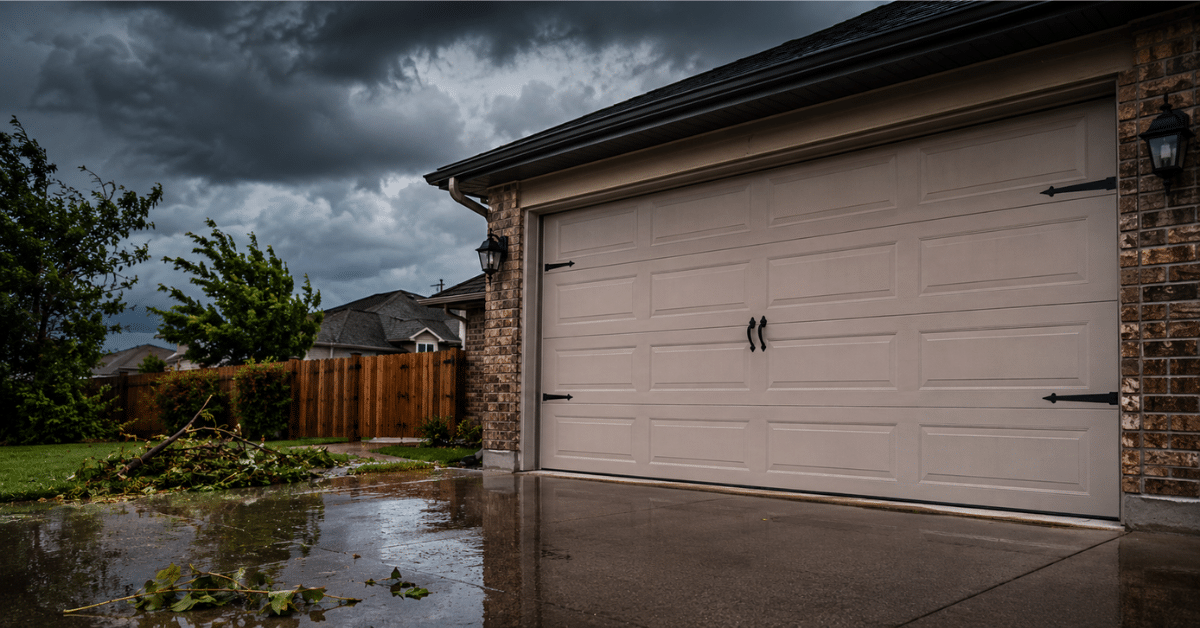
Texas weather doesn’t give much warning. One afternoon it’s clear skies, and by evening you’re dealing with high winds, hail, and heavy rain that would catch most other states completely off guard. Preparing your garage door for Texas storm season is one of the most practical things a homeowner can do before that weather arrives — and one of the most commonly skipped steps on any pre-storm checklist.
Your garage door is the largest moving part on your home. It covers more square footage than any window or standard door, which means it takes on more wind pressure, more rain exposure, and more physical stress during a storm than almost anything else on your property. Getting it ready before storm season isn’t optional — it’s one of the smartest investments of time you’ll make all year.
Why Texas Storms Are Especially Hard on Garage Doors
Not every state deals with the same weather variety that Texas throws at homeowners. In the New Braunfels area and across the Texas Hill Country, storm season typically brings a combination of threats that each stress garage doors in different ways.
High straight-line winds are the most common culprit. A standard residential garage door is not designed to withstand extreme wind loads without reinforcement, and when wind pressure builds against that large flat surface, the door can bow inward, break free from its tracks, or fail structurally. In the worst cases, a compromised garage door can become a direct pathway for wind and water into the rest of the home.
Hail is another serious concern. Repeated hail strikes dent panels, crack seals, and weaken the structural integrity of the door over time. Even hail damage that looks minor on the surface can cause the door to sit unevenly or lose its weather seal, leaving gaps that let water in during the next heavy rain.
Flash flooding, which happens quickly across much of Central Texas, adds water pressure to the bottom of the door and can damage the seal, the tracks, and the opener motor if water gets inside the garage. Understanding all of these threats is the starting point for getting your garage door for Texas storm season truly ready.
How to Prepare Your Garage Door for Texas Storm Season Step by Step
Inspect the Weather Seal and Bottom Seal First
The weather seal runs along the bottom of your garage door and along the sides where it meets the frame. Over time, heat, UV exposure, and general wear cause it to crack, shrink, or flatten out completely. A compromised seal means water gets in during heavy rain, and it also means wind has an easier time working its way underneath the door.
Run your hand along the bottom seal and check for cracking or gaps. If daylight is visible under the door when it’s fully closed, the seal needs replacing before storm season arrives. It’s an inexpensive fix that makes a significant difference in both water and wind protection.
Check the Tracks, Rollers, and Hardware
Loose hardware is one of the first things to check before any storm season. Vibration from daily use gradually loosens the bolts that hold the tracks to the wall, and tracks that aren’t firmly secured flex far more under wind pressure than they should.
Inspect the track brackets and tighten any bolts that have worked loose. Check the rollers for flat spots or cracking, which cause the door to run unevenly and can cause it to jump the track under stress. Look at the hinges as well — cracked or bent hinges should be replaced, not just tightened.
Test the Spring Tension and Balance
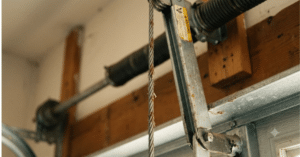
A garage door that’s out of balance puts enormous extra stress on the opener motor and makes the door far more likely to fail under the added pressure of storm winds. Testing the balance is simple: disconnect the opener by pulling the emergency release cord, manually lift the door to about waist height, and let go. A properly balanced door stays in place. One that drops or shoots upward has a spring tension problem that needs professional adjustment before storm season arrives.
Garage Door Spring Replacement Cost Texas
Brace the Door for High Wind if Needed
Standard residential garage doors are not automatically wind-rated for the speeds that Texas storms can produce. If you live in an area prone to severe weather and your current door doesn’t have a wind brace or reinforcement kit, now is the time to address it.
Many doors can be retrofitted with a horizontal bracing kit that dramatically increases the door’s ability to resist wind pressure without requiring a full replacement. Alternatively, if your door is older and due for replacement anyway, choosing a wind-rated door with a certified wind load rating is the smarter long-term investment.
Inspect and Protect the Opener Motor
Garage door opener motors are not waterproof, and a garage that floods even slightly can damage or destroy the unit. Make sure the motor is mounted high enough on the ceiling to stay above any potential water line. Check that the wiring connections are clean and dry, and consider unplugging the opener during a severe storm if you’re home and able to do so safely.
Also test the auto-reverse safety feature before storm season. This is the mechanism that causes the door to stop and reverse if it meets resistance while closing. A storm that brings debris into the garage makes this feature critical for preventing damage to the door itself.
Clear the Surrounding Area
Before a storm arrives, take a few minutes to clear the driveway and area around the garage of anything that could become a projectile. Trash cans, garden tools, potted plants, and even lightweight lawn chairs can become damaging objects in high winds. Store them inside the garage or secure them before the weather hits.
What Wind Ratings Actually Mean for Your Door
If you’re in the market for a new garage door or considering a wind-rated upgrade, you’ll encounter wind load ratings measured in PSI or referenced against specific wind speeds. In Texas, the relevant standard depends on your local wind zone, but for the Hill Country and Central Texas region, doors that can handle sustained winds of at least 90 to 110 miles per hour are generally recommended for residential use.
A door’s wind rating is based on its design pressure, which accounts for both the structural strength of the panels and the reinforcement of the tracks and mounting hardware. Higher ratings cost more, but in a state like Texas, the extra investment frequently pays for itself the first time a major storm rolls through. Ask a local garage door professional about what rating is appropriate for your specific area and home setup.
Common Mistakes Homeowners Make Before Storm Season
Several of the most common preparation mistakes are easy to avoid once you know what to look for.
Waiting Until a Storm Is Already in the Forecast
This is the biggest mistake homeowners make, and it happens every single season. By the time severe weather is hours away, it’s too late to schedule an inspection, order replacement parts, or have a technician out to adjust spring tension. Storm prep works best when it happens weeks before storm season peaks, not the morning before a tornado watch. Put it on the calendar in late February or early March and treat it like any other home maintenance task.
Assuming a New Door Is Automatically Storm-Ready
Many homeowners breathe easy after a garage door replacement, assuming the new door handles whatever weather comes its way. However, even a recently installed door needs proper hardware mounting, a correctly fitted seal, and the right wind rating for your specific region. New doesn’t always mean storm-ready without those specifics confirmed by the installing technician. Always ask about the door’s wind load rating at the time of installation.
Overlooking the Interior Garage Door
This is the most overlooked vulnerability of all. If the garage door fails in a storm, the interior door connecting the garage to your living space becomes the last line of defense between the storm and your family. That door should be solid core with a proper deadbolt installed — not a hollow panel door with a basic knob lock, which is unfortunately what many homes have by default. Check it before storm season, not after you need it.
When to Call a Professional Before the Weather Hits
Some parts of storm preparation are genuinely DIY-friendly: cleaning the tracks, replacing a worn seal, tightening loose bolts, and clearing the area outside. However, several tasks should always involve a professional technician.
Spring adjustment and replacement are at the top of that list. Garage door springs are under tremendous tension and can cause serious injury if handled incorrectly. If the spring balance is off or a spring shows visible wear, have it addressed by a trained technician before storm season, not after a failure.
Track alignment and wind brace installation are also best handled professionally. Incorrect installation of reinforcement hardware can create new weak points rather than eliminating existing ones, which defeats the purpose entirely.
If you’re in the New Braunfels area and want your door fully assessed before storm season hits, scheduling a professional inspection is the most reliable way to go into storm season with confidence.
National Weather Service Texas weather preparedness guide
Conclusion
Preparing your garage door for Texas storm season comes down to addressing the specific vulnerabilities before the weather arrives, not during or after. A properly sealed, balanced, and braced door handles the wind, rain, and hail that Texas regularly throws at homeowners far better than one that’s been neglected through the off-season.
The steps above are practical, most of them affordable, and all of them worth doing before the first major storm of the season. If you’re not sure where your current door stands, a professional inspection is the fastest way to find out — and the smartest way to protect your home when the weather turns.
FAQ
Q: When exactly is Texas storm season for garage door preparation purposes?
A: The most active severe weather period in Central Texas typically runs from March through June, with a secondary season in the fall. Ideally, preparation should happen in late February or early March before activity peaks.
Q: Can I install a wind brace on my existing garage door myself?
A: Some retrofit bracing kits are designed for DIY installation, but proper fit depends on your door’s exact dimensions, panel design, and track configuration. A professional installation ensures the bracing is actually doing its job rather than creating a false sense of security.
Q: What is the most common garage door failure during a Texas storm?
A: Wind pressure causing the door to bow inward and jump its tracks is the most common structural failure. This is usually preventable with proper bracing and tight track hardware.
Q: Does homeowner’s insurance cover storm damage to a garage door?
A: Most standard homeowner’s policies cover storm damage to garage doors, including hail and wind damage. Check your specific policy for deductibles and documentation requirements, and photograph any damage immediately after a storm.
Q: How long does a professional garage door storm inspection take?
A: A thorough inspection typically takes 30 to 60 minutes and covers the seal, springs, tracks, hardware, opener function, and overall structural condition of the door.