Most homeowners never think about their garage door cables until something goes wrong. They’re tucked out of sight, quietly doing one of the most physically demanding jobs on the entire door system, and they rarely get any attention until the day they snap. Knowing how long garage door cables last — and what to watch for before they fail — is the kind of information that saves you from a door that’s suddenly stuck halfway down or worse, one that comes crashing down without warning.
The short answer is that garage door cables typically last anywhere from 8 to 15 years depending on usage, environment, and how well the overall system is maintained. However, that range varies more than most people expect, and a cable that looks fine on the outside can be dangerously close to failure on the inside. Understanding what affects cable lifespan gives you a real advantage in staying ahead of the problem.
What Garage Door Cables Actually Do
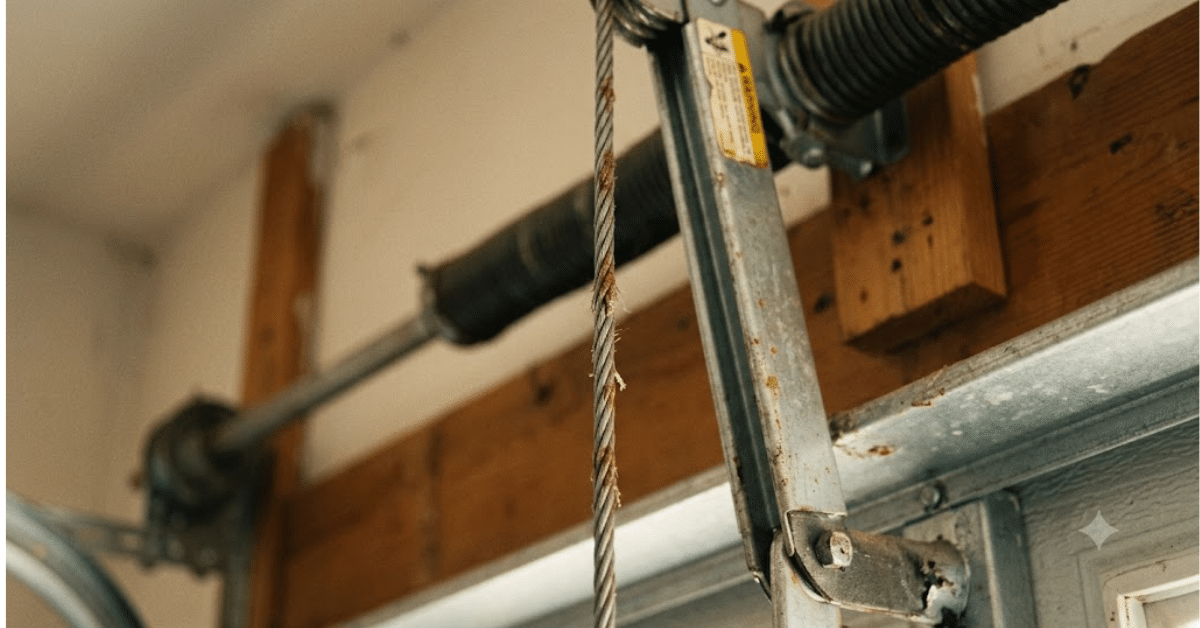
Before getting into lifespan, it helps to understand the job these cables are performing every single day. Garage door cables work in tandem with the springs to support the full weight of the door as it moves up and down. The cables wrap around drums mounted on a shaft above the door and run down to brackets at the bottom corners of the door on each side.
When the springs do their job of counterbalancing the door’s weight, the cables manage the tension and guide the movement in a controlled, even way. If one cable fails while the door is in motion, the entire weight distribution shifts instantly, which can cause the door to fall, tilt sideways, or jam violently in the tracks.
They handle this load every single time you open and close the door. For a household that uses the garage door four to six times a day, that adds up to well over a thousand cycles per year, and the cables absorb the mechanical stress of every single one of them.
How Long Garage Door Cables Last on Average
For most residential garage doors, cables last between 8 and 15 years under normal conditions. However, several factors push that number in either direction, and usage frequency is one of the biggest variables.
A single-car household that opens the garage twice a day will get significantly more life out of a set of cables than a busy family running in and out six to eight times daily. High-cycle doors in active households sometimes see cable wear begin as early as five or six years, while a lightly used door in a second home or storage garage might go 15 years or more without issue.
The quality of the cable itself also matters considerably. Standard cables that come with budget-friendly doors are often thinner gauge steel with fewer strands, which means they’re more susceptible to fraying and fatigue over time. Higher quality cables use more strands wound tightly together, which distributes stress more evenly and extends the working life of the cable significantly.
Environmental conditions play a role too, which leads directly into the next section.
Factors That Shorten Cable Lifespan
Humidity and Rust
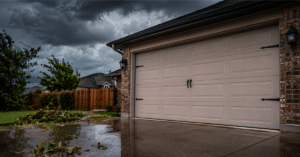
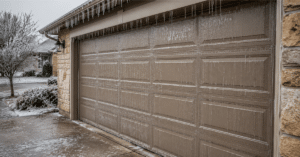
Moisture is the single biggest enemy of garage door cables. Steel cables that are regularly exposed to humidity, rain, or condensation inside the garage begin to develop surface rust, which weakens individual strands over time. In coastal areas or regions with high annual rainfall, this process accelerates considerably. Even in drier climates like Central Texas, seasonal humidity and temperature swings can introduce enough moisture to start corrosion on cables that haven’t been lubricated or maintained.
Lack of Lubrication
Cables need to move smoothly against the drums and through the cable guides every time the door operates. Without periodic lubrication, friction builds up, the outer strands of the cable wear down faster, and the entire system has to work harder to do the same job. A cable that runs dry for years will wear out significantly faster than one that’s been properly maintained.
Misaligned Tracks or Unbalanced Springs
When the door isn’t running straight in its tracks, or when the spring tension is uneven from side to side, the cables take on stress they were never designed to handle. One cable ends up bearing more load than the other, and the overloaded side wears out disproportionately fast. This is why cable failure often happens on just one side rather than both cables giving out simultaneously.
Worn or Damaged Drums
The drums that the cables wrap around also wear over time. Grooves in a drum that are worn smooth, cracked, or misaligned cause the cable to sit unevenly, which creates localized stress points where fraying begins.
Warning Signs Your Cables Are Wearing Out
Knowing what to look for gives you the chance to replace cables before they fail rather than after. Here are the specific signs that indicate your cables are approaching the end of their useful life.
Visible fraying or unraveling. Individual strands of the cable separating from the main bundle is the clearest sign that replacement is overdue. Even a few frayed strands mean the cable is losing structural integrity and should be replaced immediately.
Rust or heavy discoloration. Surface rust on a cable doesn’t just look bad — it means the steel is actively breaking down. A cable with significant rust has lost a meaningful portion of its original strength even if it hasn’t visibly frayed yet.
Slack or loose cable. A cable that appears to have slack in it when the door is closed, or one that hangs loosely to one side, indicates a loss of proper tension. This often means the corresponding spring has weakened or failed, which puts the cable under irregular stress.
Door moving unevenly or tilting. If the door wobbles, shakes, or appears lower on one side as it moves, one cable is likely working harder than the other. This is a clear sign to inspect both cables closely.
Snapping or popping sounds during operation. Unusual sounds during opening or closing, particularly anything that sounds like a snap or sharp crack, can indicate individual strands breaking inside the cable bundle even before visible fraying appears on the outside.
The door won’t open or is stuck partway. A door that stops mid-travel or refuses to open may have a snapped cable. At that point the door should not be forced manually, and a professional should be called immediately.
What Happens If a Cable Snaps
A snapped garage door cable is not a minor inconvenience. Because the cables work with the springs to manage the door’s weight, losing one cable instantly creates a dangerous imbalance. The door can drop suddenly on the unsupported side, bend the tracks, damage the panels, or in a worst-case scenario, fall completely. Anyone standing near the door at the moment of failure is at serious risk of injury.
Additionally, once one cable snaps, the remaining cable is now bearing load it wasn’t designed to handle alone. In many cases, the second cable fails shortly after the first if the door is operated in that condition. Replacing both cables at the same time, rather than just the broken one, is the standard professional recommendation for exactly this reason.
How to Make Your Garage Door Cables Last Longer
The good news is that several practical steps genuinely extend cable life and reduce the risk of unexpected failure.
Lubricate the cables annually. A light application of garage door lubricant along the cables and drums once a year reduces friction, slows surface wear, and helps prevent rust formation. Avoid WD-40 for this purpose — it strips away existing lubrication rather than adding to it. A silicone-based or lithium-based garage door lubricant is the right choice.
Schedule annual professional inspections. A technician inspecting the door annually will check cable condition, drum alignment, spring tension, and track alignment together. Catching a developing problem across any of these components extends cable life because the cables aren’t compensating for failures elsewhere in the system.
Don’t ignore uneven movement. If the door starts moving unevenly or making new sounds, address it promptly. Running the door in a misaligned or imbalanced state dramatically accelerates cable wear.
Replace springs and cables together when possible. Springs and cables tend to wear at similar rates because they share the mechanical load of every cycle. When springs are replaced, having the cables inspected and replaced at the same time is cost-effective and makes sense from a maintenance standpoint.
Keep the garage reasonably dry. Improving ventilation in the garage, addressing any water intrusion issues, and keeping the door area dry all reduce the moisture exposure that accelerates cable rust and corrosion.
International Door Association garage door safety and maintenance guide
When to Call a Professional
Cable inspection is something a homeowner can do visually — look for fraying, rust, slack, and uneven hanging. However, cable replacement is firmly in the professional category. Garage door cables are under significant tension even when the door is closed, and releasing or adjusting that tension without the right tools and training can cause the cable or spring to snap with serious force.
If you notice any of the warning signs above, or if it’s been more than a year since your door was last professionally inspected, scheduling a service visit is the right move. In New Braunfels and the surrounding area, a professional technician can assess the full cable and spring system, identify exactly where wear is occurring, and replace components before a failure happens rather than after.
Conclusion
Understanding how long garage door cables last puts you in a much stronger position as a homeowner. The 8 to 15 year average is a starting point, but real-world lifespan depends on how often the door is used, how well the system is maintained, and whether other components like springs and drums are in good working order. Staying ahead of cable wear through annual lubrication, professional inspections, and prompt attention to warning signs is far less disruptive and far less expensive than dealing with a snapped cable and a door that won’t move.
If you’re unsure about the current condition of your garage door cables, a professional inspection is the fastest and safest way to find out where things stand before a small problem becomes a bigger one.
FAQ
Q: How long do garage door cables last on a door that’s used heavily every day?
A: On a door used six or more times daily, cables may begin showing wear as early as five to seven years. Annual inspections are especially important for high-usage doors to catch developing problems before they become failures.
Q: Can I replace garage door cables myself?
A: It is strongly not recommended. Cables are under high tension even with the door closed, and incorrect handling can cause the cable or spring to release with dangerous force. Professional replacement is the safe and correct approach.
Q: Should I replace both cables at the same time even if only one snapped?
A: Yes, always. Both cables wear at roughly the same rate since they share the same load. Replacing only the broken one leaves an aging cable on the other side that is likely close to its own failure point.
Q: What type of lubricant should I use on garage door cables?
A: Use a silicone-based or lithium-based garage door lubricant. Avoid WD-40 or standard oil-based products, as these can attract dirt and actually degrade the cable over time rather than protect it.
Q: How much does garage door cable replacement typically cost?
A: Cable replacement typically runs between $150 and $250 for a standard residential door when done professionally, including both cables and labor. The cost varies based on door size, cable type, and whether other components need attention at the same time.